
The Honest Answer: Are VPNs Illegal?
For the overwhelming majority of people, in the overwhelming majority of countries, VPNs are completely legal. They are used every day by businesses to secure internal networks, by universities to protect research data, by hospitals to safeguard patient information, and by governments themselves for secure communications. In countries like the United States, Canada, the United Kingdom, Australia, and most of Europe, using a VPN is normal, boring, and often recommended.
The problem is that VPN legality is not universal. A small but influential group of governments view VPNs not as security tools, but as threats. To these governments, encrypted traffic represents lost visibility, weakened censorship, and reduced control over how citizens access information. That philosophical difference is what drives VPN bans and restrictions—not the technology itself.
So when someone asks, “Are VPNs illegal?”, the only accurate answer is: it depends entirely on where you are, who you are, and how you’re using it. To find out VPN Bans by Country, keep reading. We’ll do our best to explain below.
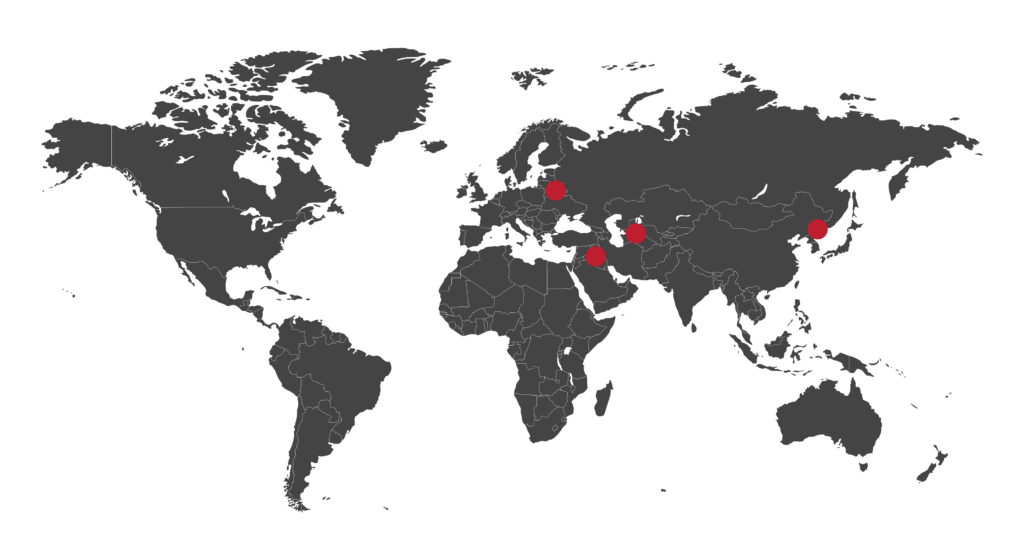
Countries Where VPNs Are Fully Illegal
Only a very small number of countries have outright bans on VPN usage for everyday citizens. These bans are almost always paired with extreme internet censorship, heavy surveillance, and tight control over foreign media and social platforms. In these environments, VPNs are treated as tools for evading the state—not as privacy software.
| Country | VPN Status | What This Means in Practice |
|---|---|---|
| North Korea | Illegal | All non-state internet access is prohibited |
| Belarus | Illegal | VPNs and anonymization tools are banned |
| Iraq | Illegal | VPN use prohibited by national regulation |
| Turkmenistan | Illegal | Severe censorship and deep packet inspection |
In these countries, enforcement can range from inconsistent to severe. Some users may go unnoticed for long periods, while others may face immediate consequences. Penalties can include fines, confiscation of devices, forced deletion of software, or questioning by authorities. In the most restrictive environments, even possessing VPN software can be enough to trigger suspicion.
For travelers, the takeaway is simple: if a country fully bans VPNs, assume that using one carries real risk—even if others claim they “got away with it.”
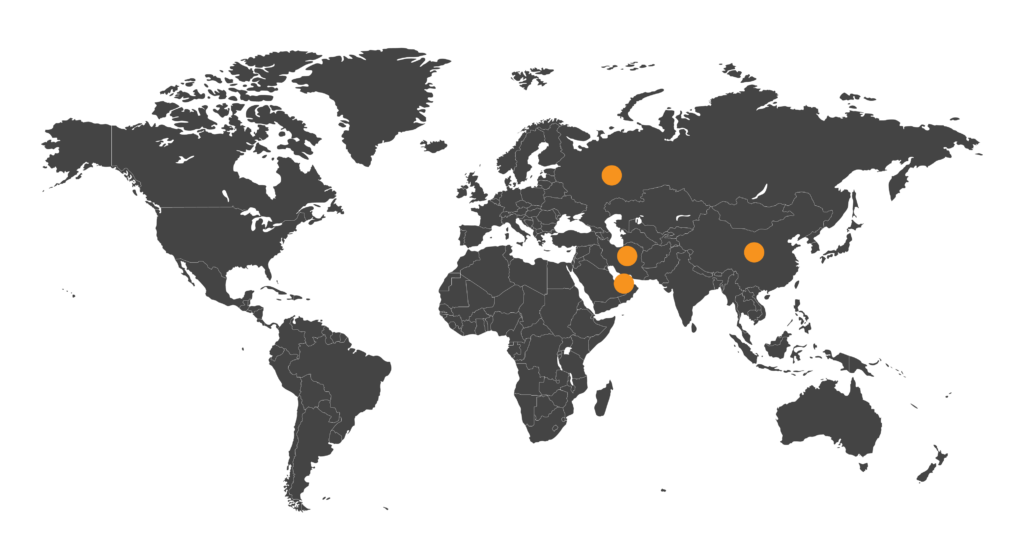
Countries Where VPNs Are Legal—but Heavily Restricted
This is where most people get confused. Many countries allow VPNs in theory but restrict them in practice. The rules are often vague, enforcement is selective, and the legal language is intentionally broad. These countries don’t ban VPNs outright—they control them.
China
China permits only government-approved VPNs. These services are required to log user activity and block access to restricted content. International VPN providers are routinely blocked by the Great Firewall, and their availability can change overnight. Enforcement against individual foreign travelers is inconsistent, but domestic providers face strict penalties.
In practice, many business travelers and expatriates use VPNs in China, but reliability fluctuates dramatically. During political events, anniversaries, or periods of unrest, VPN connections often become unstable or stop working entirely.
The video below goes into further detail and is worth a quick watch:
Russia
Russia allows VPNs only if they comply with censorship laws. Providers must block access to government-blacklisted websites, including independent media outlets and opposition platforms. VPNs that refuse to comply are frequently blocked at the ISP level.
While using a VPN is not always illegal on its own, using it to access prohibited content can result in fines or further scrutiny. Enforcement has tightened significantly in recent years.
Iran
Iran permits only state-approved VPNs. Enforcement fluctuates, but restrictions tighten during protests or periods of political tension. VPNs are commonly blocked during these times, and users may face penalties if caught accessing banned platforms.
United Arab Emirates (UAE)
The UAE takes a more nuanced approach. VPNs are legal for legitimate purposes such as business security and corporate communications. However, using a VPN to access blocked services or commit a crime can result in heavy fines. The law focuses on misuse rather than VPN technology itself.
For tourists and business travelers, VPN use for work is generally tolerated—but using it to bypass local content restrictions is risky.
Other Countries with Partial Restrictions
Countries including Turkey, Egypt, India, Pakistan, and Uganda allow VPNs in limited forms. VPNs often work, but traffic may be monitored, logged, or throttled. Enforcement varies by ISP, region, and political climate.
What “Illegal” Really Means in Practice
One of the biggest misconceptions about VPN bans is that using a VPN automatically leads to arrest. In reality, enforcement usually escalates gradually. Governments rarely jump straight to punishment unless VPN use is tied to political activity, repeated violations, or high-profile content access.
In most restricted countries, enforcement begins at the network level. VPN connections fail. Speeds slow dramatically. Certain protocols stop working. This filtering is intentional and designed to discourage use without direct confrontation.
Penalties become more likely when VPN use draws attention—such as accessing banned news sites, organizing politically sensitive activity, or repeatedly circumventing blocks. Casual use by tourists is often ignored, but that tolerance can disappear without warning.
Common Myths About VPN Bans
Myth: VPNs are illegal everywhere outside the US.
Reality: VPNs are legal in most countries worldwide.
Myth: Using a VPN guarantees anonymity.
Reality: VPNs improve privacy, but they do not make users invisible—especially in countries with advanced monitoring.
Myth: Tourists can’t get in trouble for VPN use.
Reality: Tourists are often treated leniently, but enforcement is unpredictable.
VPNs, Travel, and Remote Work
For travelers and remote workers, VPN legality is not theoretical—it’s practical. Many people assume that because VPNs are legal at home, they’re safe everywhere. That assumption causes problems.
Best practices include researching local laws before arrival, installing VPN software ahead of time, avoiding prohibited content, and using business-grade VPN solutions where required. In some countries, corporate VPNs are viewed more favorably than consumer services.
In certain regions, simply having a VPN app installed can attract attention—even if it’s not actively used.
Are VPN Laws Likely to Change?
Yes. VPN enforcement tends to change faster than written law. A country that quietly tolerates VPNs one year may crack down the next, especially during elections, protests, or geopolitical tension.
This makes relying on outdated advice risky. Anyone who depends on VPN access should verify the current situation before traveling or working abroad.
Bottom Line
In 2025, VPNs remain legal and widely used in most countries. But a small number of governments either ban them outright or restrict them heavily.
If privacy matters to you, understanding where VPNs are restricted is just as important as choosing the right provider. Used responsibly and legally, VPNs remain one of the most effective tools for protecting your online activity.