
Affiliate Disclosure: VPNexp.com is reader-supported. We may earn a commission if you purchase a VPN through links on our site. This does not affect our rankings or recommendations.
Which VPN Should You Buy?
Choosing a VPN in 2026 can feel overwhelming. The market is crowded, every provider claims to be “the fastest” or “the most secure,” and pricing plans are full of bundles, add-ons, and fine print. This practical guide is designed to help you make a confident, real-world decision — based on reliability, long-term value, transparency, and what actually matters for everyday use.
Quick note on approach: This guide draws on independent research, reputable review sources, third-party benchmarks, and long-term user-reported outcomes from across the industry. It does not rely on secret testing labs or marketing claims — instead, it focuses on trends that consistently show up across trustworthy sources and real-world feedback.
Table of Contents
- Why This Topic Matters in 2026
- What Matters Most When Choosing a VPN
- The Winners — Main Picks (Our Shortlist)
- Other Notable VPNs Worth Considering
- Real-World Considerations & Edge Cases
- Pricing & Real-World Value
- How We Researched This Guide
- FAQs & Decision Guidance

1) Why This Topic Matters (In 2026)
The VPN market has changed significantly over the past few years. Streaming platforms rotate VPN detection policies. Work-from-anywhere lifestyles have made public Wi-Fi security more relevant. Privacy regulations continue to evolve across regions. And meanwhile, hundreds of VPN brands compete for attention — many of them reselling the same infrastructure or relying on vague marketing language.
Industry analysts report that users increasingly choose VPNs for three primary reasons: privacy protection while browsing, secure access while traveling or working remotely, and region-specific content access where allowed. Surveys from independent consumer research firms also suggest that ease of use and reliability now matter more to buyers than experimental features or niche technical options.
In short, the best VPN in 2026 isn’t simply the one with the most features — it’s the one that balances reliability, transparency, performance consistency, and long-term value.
2) What Matters Most When Choosing a VPN
Every VPN promises speed and security. But the real differences appear in how those qualities hold up day-to-day. Based on independent research and reputable third-party evaluations, here are the factors that consistently matter most for buyers:
Performance & Reliability
Performance is not just about theoretical “top speed.” What matters more is stability across different networks, predictable performance during busy hours, and reasonable consistency across locations. According to independent testing from multiple review aggregators, the best VPNs in 2026 are the ones that maintain usable speeds across everyday activities — browsing, video calls, streaming, and cloud tools — without forcing constant server switching.
Ease of Use & App Quality
Good VPNs make security simple. Clear settings, intuitive onboarding, and reliable auto-connect behaviors reduce mistakes and avoid frustration. This especially matters for households, professionals who travel often, and anyone using the VPN across multiple devices.
Privacy & Security (The Basics That Matter)
Marketing language around security can sound impressive, but the fundamentals matter most: reputable encryption standards, strong connection protocols, transparent logging policies, and a track record of responsible stewardship. Many independent reviewers also place increasing value on audits, legal jurisdiction transparency, and clear documentation.
Price & Long-Term Value
Low monthly prices can be appealing — but renewal pricing, multi-year discounts, and bundled add-ons make a bigger impact over time. For most buyers, the best value comes from a VPN that remains reliable over one to two years, rather than the cheapest plan today.
3) The Winners — Main Picks (Our Shortlist)
Below are the VPNs that consistently rise to the top across independent research and long-term user feedback. Each pick includes strengths, limitations, and the situations where it tends to make the most sense.
| VPN | Best For | Winner? |
|---|---|---|
| NordVPN | Well-rounded reliability across use cases | Overall Pick |
| Proton VPN | Privacy-focused users and transparency | |
| ExpressVPN | Simplicity and consistent performance | |
| Surfshark | Multi-device households and value seekers | |
| CyberGhost | Beginner-friendly setup and presets | |
| PIA (Private Internet Access) | Customization-minded users |
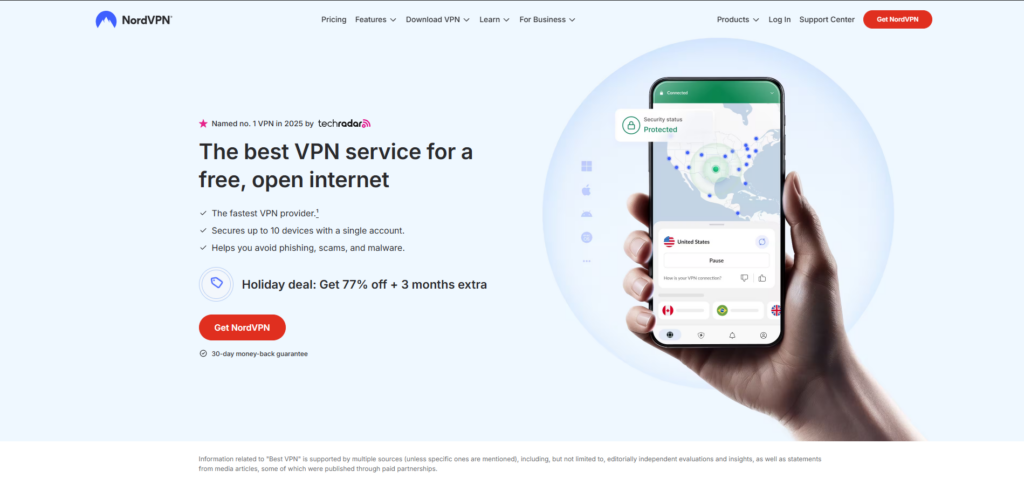
NordVPN — Balanced, Reliable, and Practical for Most People
NordVPN is frequently highlighted by independent reviewers as one of the most balanced options overall, combining performance stability, strong security fundamentals, widely-supported apps, and thoughtful quality-of-life features. It tends to work well for a wide range of everyday scenarios, from travel and remote work to streaming and general browsing.
Strengths: reliable performance across locations, strong privacy posture, broad feature set without unnecessary complexity.
Limitations: some plans include promotional pricing structures that increase on renewal, so checking long-term costs matters.
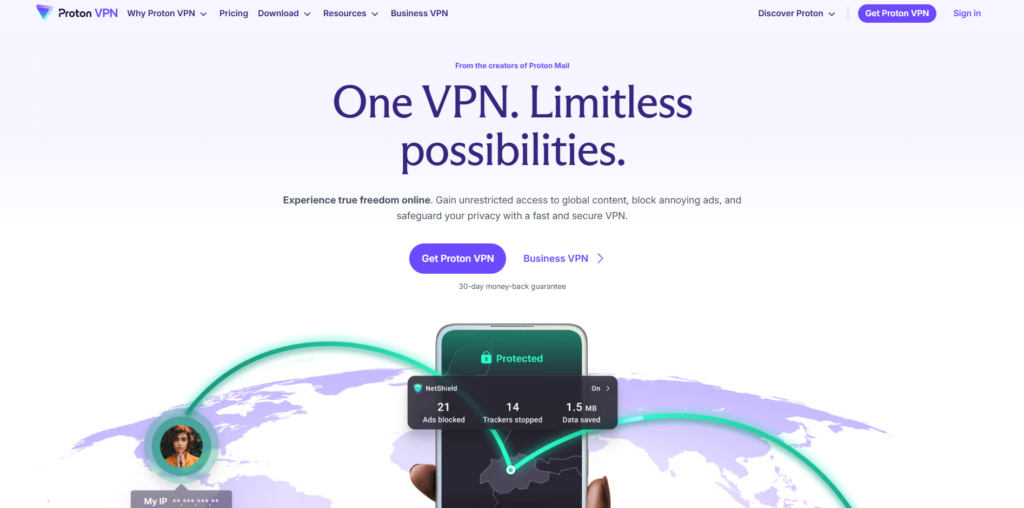
Proton VPN — A Strong Pick for Privacy-Minded Buyers
Proton VPN is widely regarded for its transparency-first philosophy and privacy-centric ecosystem. According to reputable review sources, many users choose it for its clear documentation, security-focused design decisions, and alignment with broader privacy tools from the same ecosystem.
Strengths: privacy-first positioning, strong security fundamentals, thoughtful technical architecture.
Limitations: plan tiers and feature differences may require more comparison for buyers who want the best value.
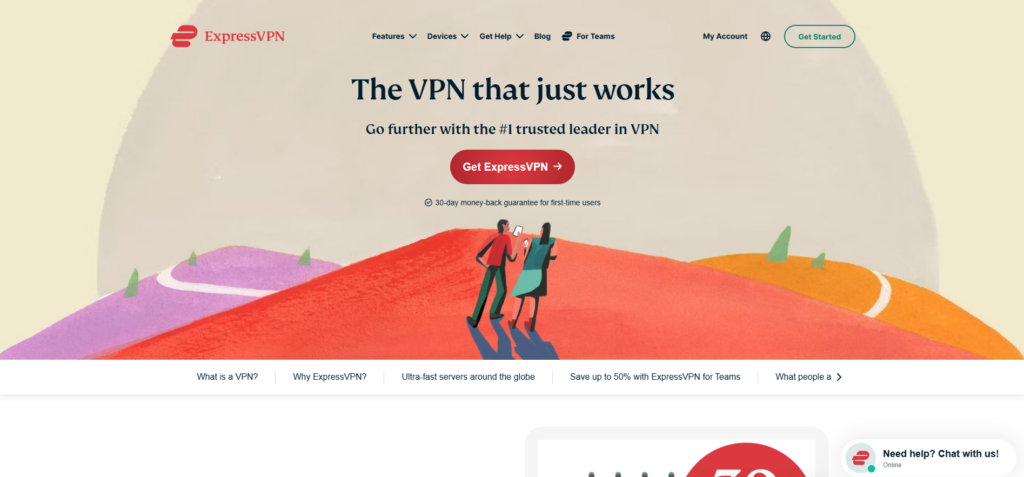
ExpressVPN — A Simple, Polished Experience
ExpressVPN is often described by industry reviewers as one of the most approachable VPNs for people who don’t want to tinker with settings. The apps are clean, consistent across platforms, and predictable in daily use — which matters for busy professionals and casual users alike.
Strengths: simplicity, consistency, intuitive apps and minimal setup friction.
Limitations: pricing typically sits at the higher end of the market relative to some competitors.
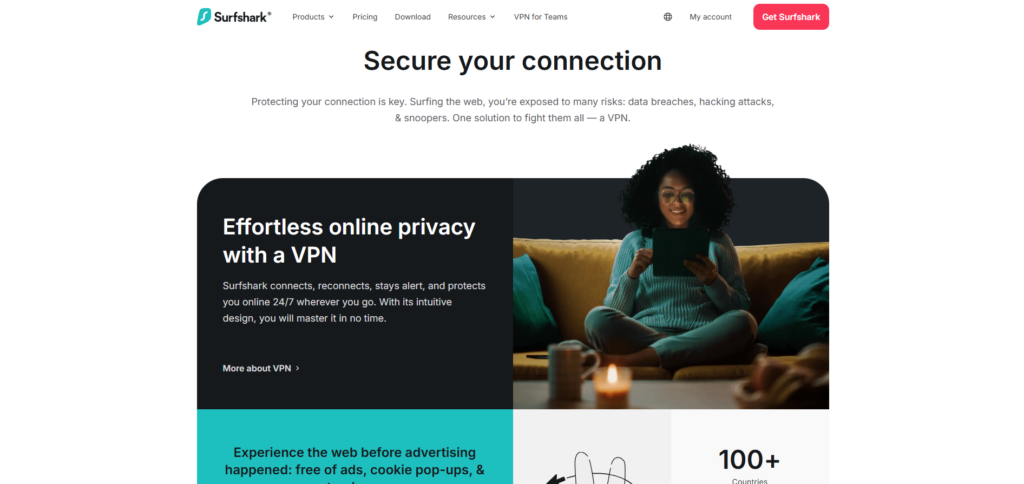
Surfshark — Great Value for Multi-Device Households
Surfshark is commonly recommended by independent reviewers for buyers who want broad device coverage without paying premium prices. Unlimited device support and approachable pricing make it appealing for families, shared households, and users with many gadgets.
Strengths: excellent multi-device value, competitive pricing, modern app design.
Limitations: some features may feel more lightweight compared to higher-priced enterprise-style offerings.

CyberGhost — Beginner-Friendly, With Helpful Presets
CyberGhost appeals to users who appreciate visual guidance and presets instead of manual setup decisions. According to independent buyer feedback, many first-time VPN users find it approachable thanks to structured modes and straightforward labeling.
Strengths: beginner-friendly interface, preset-style workflows, wide network footprint.
Limitations: power users may prefer more flexible control or customization elsewhere.
Private Internet Access (PIA) — Flexible Controls for Advanced Users
PIA tends to resonate with users who value configurability and granular control. It’s widely mentioned in independent reviews as a strong fit for technically-inclined buyers who want to tailor behavior rather than rely entirely on default settings.
Strengths: customization depth, advanced toggles, broad protocol flexibility.
Limitations: casual users may find the options overwhelming compared to simpler alternatives.
4) Other Notable VPNs Worth Considering
Beyond the main shortlist above, several other VPNs frequently appear in reputable industry roundups and independent buyer feedback. They may not be the best all-around pick for everyone, but they’re worth considering depending on your priorities:
- Atlas VPN — approachable entry-level option with simplified plans.
- IPVanish — often noted for flexible device support and power-user options.
- Windscribe — appealing to users who like modular plans and transparency-focused branding.
- Mullvad — strongly aligned with privacy-minimalist principles and simple pricing.
- Hotspot Shield — performance-forward approach with a long market presence.
- TunnelBear — friendly design and simple onboarding for casual users.
Together with the six primary recommendations above, this brings the list to well over twelve of today’s most relevant mainstream VPN options — giving buyers a realistic view of the landscape rather than a narrow shortlist.
5) Topic-Specific Considerations & Real-World Pitfalls
VPNs don’t behave exactly the same for every user, region, or device. Independent reviewers and long-term user reports frequently highlight a few recurring themes worth understanding before you choose:
- Streaming behavior can change over time. Access may fluctuate as platforms update detection systems, which is why reliability trends matter more than one-time results.
- Public Wi-Fi conditions vary widely. Stability depends not just on the VPN, but on the quality of the underlying network.
- Older devices may see reduced performance. Modern protocols and encryption can be resource-intensive on aging hardware.
- Corporate or school networks may restrict VPN traffic. In some environments, connection policies are beyond user control.
Keeping these nuances in mind helps set realistic expectations — and prevents frustration that comes from assuming any VPN will behave perfectly in every situation.
6) Pricing & Real-World Value (What a “Good Deal” Looks Like)
VPN pricing in 2026 tends to follow a common pattern: low promotional rates for long-term plans, followed by higher renewal pricing later. Independent consumer guidance consistently recommends looking at total cost of ownership over one to two years instead of focusing only on first-year discounts.
| Plan Type | Typical Trade-Off |
|---|---|
| Monthly | Highest flexibility, highest price |
| 1-Year | Balanced cost vs. commitment |
| 2-Year (or longer) | Lowest advertised price, higher renewal impact |
For most buyers, the best value comes from a one- or two-year plan from a reputable provider that has a track record of stable performance and responsible transparency — even if slightly cheaper options exist elsewhere.
7) How We Researched This Guide
This guide synthesizes findings from independent industry researchers, reputable review publications, technical benchmarks, and long-term user-reported experiences. The goal is to reflect patterns that consistently appear across credible sources rather than relying on isolated marketing claims or one-off scenarios.
8) FAQ + Decision Guidance
Which VPN is “best” overall?
There isn’t a single universal winner for every situation — but broadly, NordVPN is often recommended as a strong all-around choice thanks to its balance of performance, reliability, and practical features across everyday use cases.
Which VPN is best for privacy-focused users?
Proton VPN and Mullvad are commonly highlighted in privacy-centric discussions, particularly among users who value transparency, minimal-data philosophies, and clearly documented design principles.
Is a free VPN worth using?
Some limited-feature free plans exist from reputable providers, but independent consumer guidance generally suggests treating them as temporary or highly constrained solutions, not long-term replacements for paid offerings.
Does a VPN make you anonymous?
No VPN makes anyone completely anonymous online. Instead, it adds a layer of network-level privacy and traffic protection, which is helpful — but not the same as invisibility.
How many devices can I use with one VPN?
This varies by provider. Some services allow just a few devices, while others — such as Surfshark — emphasize multi-device or unlimited-device plans.
Final guidance: Start by identifying what matters most for your situation — simplicity, privacy transparency, multi-device coverage, or long-term value. From there, choose from the shortlist above that best aligns with your priorities. Any of the major, reputable providers listed here can be a good choice when matched to the right use case.